
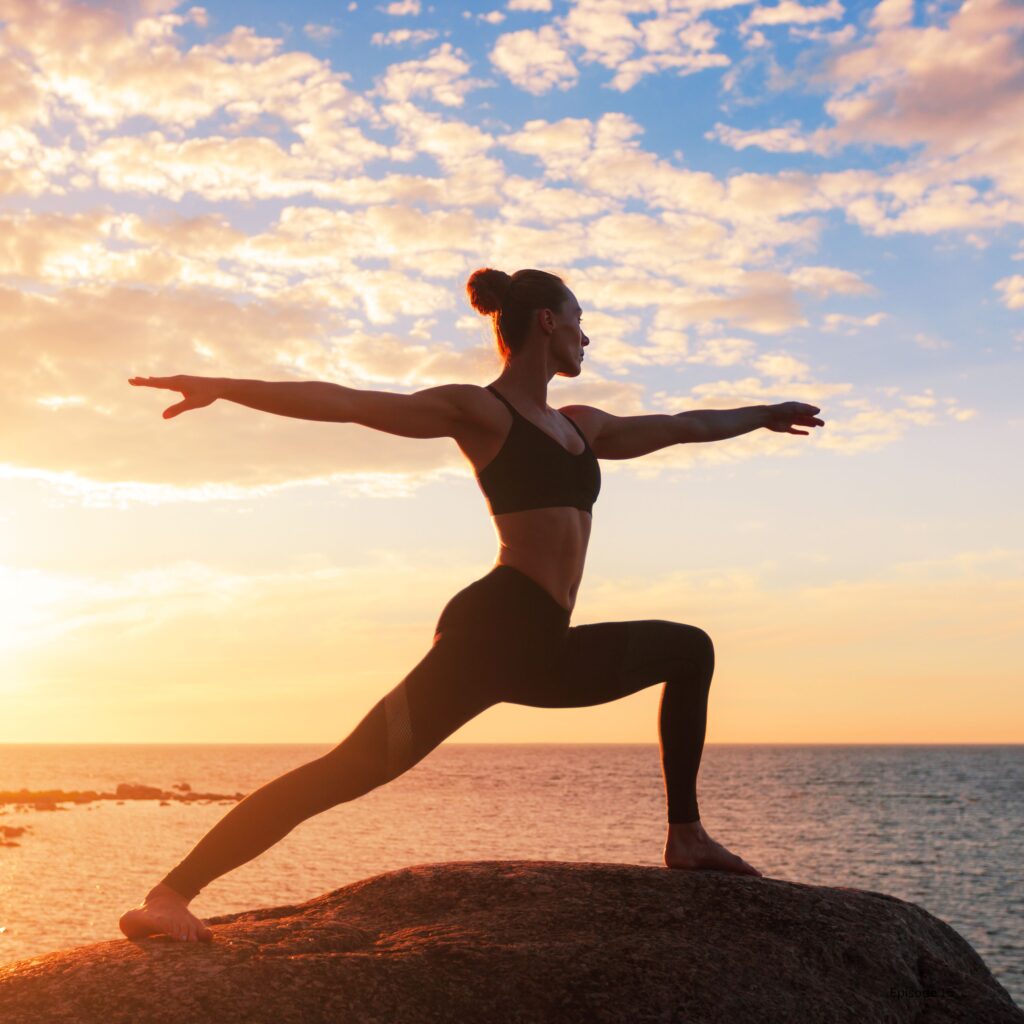
Yoga has become one of the most widely practiced mind-body disciplines in the Western world, with 23% of women in the United States engaging in some form of yoga – twice the number of men. While many people associate yoga with exercise or flexibility, its true essence extends far beyond physical postures. At its core, yoga means “to join” or “to unite,” referring to the connection between our individual consciousness and universal consciousness. This ancient practice creates a container for self-discovery that encompasses physical, mental, emotional, and spiritual dimensions.
The physical benefits of yoga are extensive and well-documented. Dynamic styles like Hatha, Vinyasa, and Ashtanga strengthen muscles, improve posture, enhance cardiovascular health, increase flexibility, and promote better balance. These practices are particularly valuable in our increasingly sedentary society, where our bodies crave mindful movement. The passive styles of yoga, including Yin and Restorative, focus on releasing tension through gravity-assisted postures supported by props like bolsters, blocks, and blankets. These approaches allow practitioners to hold positions for extended periods (3-20 minutes), creating space for deep relaxation and nervous system regulation.
What makes yoga uniquely powerful is its ability to bridge the gap between mind and body. Our modern world predominantly values intellectual wisdom over bodily wisdom, creating a disconnect that yoga seeks to repair. Through breath awareness, body awareness, and presence, yoga practitioners reunite these two aspects of themselves, gaining clarity, emotional regulation, and the ability to identify less with their thoughts. This mind-body connection is particularly beneficial for addressing mental health concerns like anxiety and depression.
In the yogic perspective, feelings of anxiety represent upward-moving energy associated with overstimulation. To counterbalance this, specific postures like forward folds, legs-up-the-wall, or mountain pose help direct energy downward toward the earth. Complementary breathing exercises further stimulate the parasympathetic nervous system, promoting a sense of calm. Conversely, low mood is viewed as slow, heavy, downward-moving energy. Dynamic, strengthening postures like the warrior series or vinyasa flows can stimulate stagnant energy, while specific breathwork such as box breathing or lion’s breath provides additional support.
The community aspect of yoga offers another layer of healing. In our increasingly isolated society, showing up in a supportive environment where we can be seen and accepted exactly as we are provides a powerful antidote to individualism. This is especially evident in specialized practices like Menopause Yoga, which combines traditional yoga techniques with women’s circles, journaling, and targeted approaches for specific symptoms throughout the perimenopause, menopause, and post-menopause phases. Through these circles, women find validation, share resources, and build connections during a significant life transition that’s often misunderstood or minimized in Western culture.
For those new to yoga, finding the right teacher often matters more than the specific style. While YouTube offers many free resources for exploration, the experience of practicing in community provides unique benefits. Many communities offer low-cost or donation-based classes, making yoga accessible regardless of financial circumstances. As practitioners deepen their relationship with yoga, they often discover it’s not merely a form of exercise but a pathway to greater self-awareness, presence, and connection – a practice that helps close the stress cycle in our overwhelming modern world.
Listen to the entire episode of my conversation with Jennifer Lynn on No Shrinking Violets podcast HERE.